Adult & adolescent programs
Adult DBT skills group in Sydney
A 10-week Dialectical Behaviour Therapy (DBT) skills program for adults in Macquarie Park, Sydney
Practical DBT skills for managing overwhelming emotions, distress and relationships.
Next groups start
16 October 2026
Adolescent 9–11am
Adult 12–2pm

- Location 32 Delhi Road, Macquarie Park
- Duration 10 weeks, 2 hours weekly
- Medicare Rebates apply
DBT group sessions focus on learning and practising skills. You won’t be expected to sit in a group and share your life story.
Sessions are structured around teaching, discussion and practice, not personal disclosure.

When Emotions Feel Overwhelming, Knowing What To do Next Can Be Difficult
Do you:
- experience emotions that feel overwhelming or difficult to manage?
- find it difficult to calm down after something upsetting happens?
- sometimes react impulsively and regret it afterwards?
- find relationships become difficult because of emotional reactions?
- use coping strategies that sometimes make things worse?
The Adult DBT Skills Program

Adult DBT Skills Program
For adults experiencing overwhelming emotions, intense mood changes, impulsive behaviours or difficulty coping with distress and relationships.
- Ages
18 and over - Session time
12pm–2pm
Your team

Jessica Rice
Clinical Psychologist & Clinical Neuropsychologist
Adult DBT Program Lead

Brianna Garratt
Registered Psychologist
Facilitator

Dr Neil Jeyasingam
Psychiatrist & Medical Director
Specialist contributor · 2 of 10 sessions
Four Sets of Skills You Can Use In Everyday Life

Mindfulness
Stay present
Notice what’s happening and respond with greater awareness rather than immediately reacting.

Emotion regulation
Understand your emotions
Recognise emotions and develop more helpful ways of responding to them.

Interpersonal effectiveness
Navigate relationships
Communicate needs, establish boundaries and build healthier relationships.

Distress tolerance
Get through difficult moments
Develop strategies for coping safely when situations or emotions become overwhelming.
Your 10-week Adult DBT program
Week 1
Orientation and mindfulness
What DBT is, how the group works, and the goals you’ll be working towards. Introduces the three states of mind.
Week 2
Wise mind
The core mindfulness skills — observe, describe and participate — and how to use them without judgement.
Week 3
Distress tolerance: surviving a crisis
Why tolerating distress matters, recognising unhelpful thinking styles, and getting through a crisis without making it worse.
Week 4
Distress tolerance: improving the moment
Practical ways to change how a difficult moment feels — imagery, meaning, relaxation, encouragement and one thing at a time.
Week 5
Radical acceptance
Accepting reality as it is rather than as you wish it were, and turning the mind back towards acceptance when it drifts.
Week 6
Emotion regulation: understanding emotions
What emotions are for, the myths we carry about them, and how to observe and identify what you’re feeling.
Week 7
Emotion regulation: naming emotions
Building a wider vocabulary for emotions — the prompting events, interpretations and body sensations that go with each.
Week 8
Reducing vulnerability
Looking after the physical foundations — sleep, eating, exercise, illness and substances — and building mastery and positive experience.
Week 9
Letting go of emotional suffering
Mindfulness of your current emotion: noticing it, stepping back, and letting it move through without blocking or suppressing it.
Week 10
Interpersonal effectiveness
Asking for what you need, saying no, and resolving conflict while keeping the relationship and your self-respect intact.
DBT is About Learning Skills, and Learning How to Use Them
-
Learn
A psychologist introduces a practical DBT skill.
-
Understand
What the skill does and when it helps.
-
Practise
Work through exercises in the group.
-
Apply
Try the skill in everyday situations between sessions.
-
Build
Keep building your toolkit across the 10 weeks.

Next DBT groups in Macquarie Park
| Starts | 16 October 2026 |
|---|---|
| Duration | 10 weeks, 2 hours weekly |
| Sessions | Adolescent 9–11am · Adult 12–2pm |
| Group size | 6–8 participants, closed group |
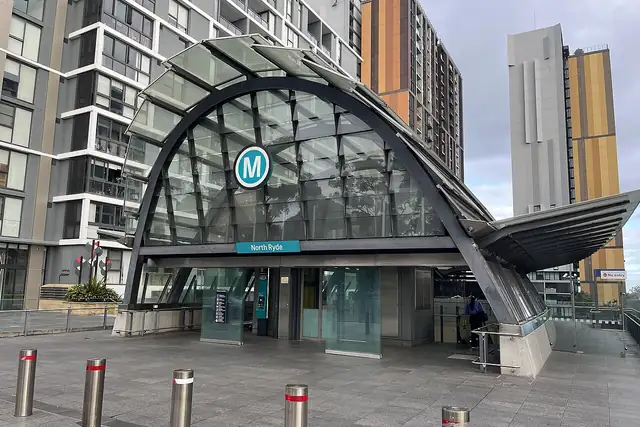
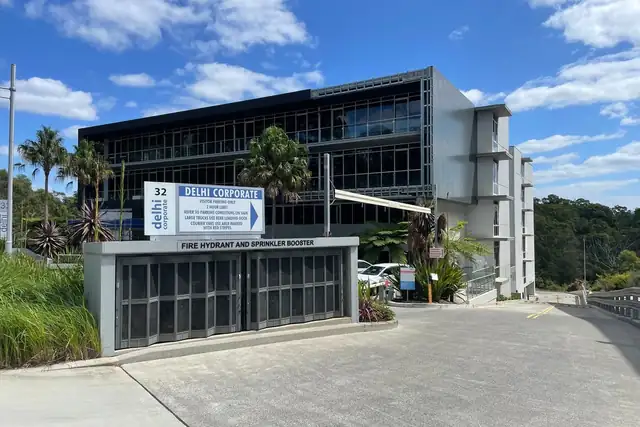
| Location | Suite 1.01/32 Delhi Road, Macquarie Park Near North Ryde Metro |
| Program fee | $3,500 |
| Medicare | Rebates apply — rate differs by program |
| Phone | 02 7256 7070 |
| Entry | Suitability screening |
Finding us



Joining the program is simple
-
Enquire
Choose Adult or Adolescent DBT and complete the short form.
-
Screening
Our team contacts you and completes a suitability screening.
-
Confirm your place
If the program is appropriate, we confirm your place in the group.
-
Start DBT
Your 10-week program begins 16 October 2026.
Simple, Transparent Pricing
Complete 10-week DBT program
$3,500
The program fee covers the full 10-week DBT skills program, including two-hour weekly group sessions, psychologist-led skills training and the resources you’ll use throughout the program.
Your place is reserved for the complete program, with the same small group of 6 to 8 participants attending each week. Before joining, you’ll also complete a suitability screening to make sure the program is an appropriate fit for your needs.
Medicare rebates may apply to eligible participants for attended group sessions. The rebate amount differs between the Adult and Adolescent programs depending on the Medicare item and eligible provider. See the Medicare rebate breakdown.
What the program fee covers
- 20 hours of structured DBT skills training — ten two-hour sessions, not drop-in classes
- Two psychologists in every session, with a named program lead
- A closed group of 6 to 8 participants, so the same people are there each week
- A suitability screening before you start, so the group is the right fit
- A professionally presented DBT workbook and resource pack — not loose handouts
- Specialist psychiatric input from our Medical Director in two of the ten sessions
That works out at $175 per hour of psychologist-led skills training, for a program that runs as a defined course rather than session by session.
How payment works
- The fee covers the complete 10-week program, not individual sessions.
- 50% is payable when you accept your place.
- The remaining 50% is charged automatically 14 days before the first session.
- If you accept a place within 14 days of the start date, the full fee is payable at booking.
- The full fee must be paid before the first session.
Medicare Rebates
Both programs attract a Medicare rebate. The amount differs between them because it depends on the delivering psychologist’s registration category.
Medicare rebates and your GP referral
You’ll need a GP referral to claim a rebate for the group sessions. The relevant items are 80024 for the Adult program and 80127 for the Adolescent program.
Whether a rebate applies, and how much, also depends on your individual Medicare eligibility and on the session being delivered by an eligible provider. Our team can talk this through during screening.
This is separate from a Mental Health Treatment Plan. You can have one of those as well, but it isn’t what covers the group sessions.
| Adult | Adolescent | |
|---|---|---|
| Delivered by | Clinical Psychologist | Registered Psychologist |
| MBS item | 80024 | 80127 |
| Rebate per attended session | $70.05 | $47.95 |
| Rebate across 10 sessions | $700.50 | $479.50 |
| Program fee | $3,500 | $3,500 |
| Approximate out-of-pocket | $2,799.50 | $3,020.50 |
These are the in-person two-hour group items. The MBS schedule fees are $82.40 (80024) and $56.40 (80127). Figures assume you are eligible and attend all ten sessions. Rebate amounts are current from 1 July 2026 and may change. Claims are made one session at a time, after each session has been attended — a rebate cannot be claimed for a session you miss. Eligible participants may claim up to 10 group therapy mental health services per calendar year, separate from individual Better Access services.
Cancellations
Because this is a small closed group, places cannot usually be filled after the program begins. Missed sessions or withdrawal after commencement do not ordinarily attract a refund, credit or transfer, except where required by law. Complete payment and cancellation terms are provided before payment is taken.
How to get your referral
If you wish to claim a Medicare rebate, speak with your GP about an eligible referral for group psychological therapy.
-
Book an appointment with your GP
Let them know you’d like to discuss a referral for a group psychological therapy program.
-
Ask for an eligible referral
Ask your GP for an eligible referral for group psychological therapy, and let them know you are joining Logic Lounge Psychology’s DBT Skills Group. The relevant Medicare group item is 80024 for the Adult program and 80127 for the Adolescent program.
-
Provide the referral to us
Please provide the referral to Logic Lounge before your first group session.
-
Claim after each session
We process the claim once a session has been attended, and Medicare pays the rebate into your bank account.
Not sure what to say?
“I’d like a referral for group psychological therapy — I’m joining Logic Lounge Psychology’s DBT Skills Group.”
The relevant Medicare group items are 80024 (Adult) and 80127 (Adolescent). If your GP prefers to name a psychologist, that’s Jessica Rice for the Adult program or Brianna Garratt for the Adolescent program.
Before you enrol
Medicare Safety Net may increase your Medicare benefit
If you have reached, or are close to reaching, your Extended Medicare Safety Net (EMSN) threshold, you may be eligible for a higher Medicare benefit for eligible sessions.
This can make a significant difference to your out-of-pocket costs, particularly for participants who have already incurred substantial eligible medical expenses during the calendar year.
The additional benefit depends on your individual Medicare Safety Net position, your eligibility, the Medicare item applicable to each session and any applicable EMSN benefit cap.
Before enrolling, we recommend checking your current Medicare Safety Net position through Medicare or myGov. The Medicare Safety Net resets each calendar year.
Adult DBT in Sydney — common questions
What is DBT?
DBT stands for Dialectical Behaviour Therapy (also written as dialectical behavior therapy). It is an evidence-based approach that teaches practical skills across four areas — mindfulness, distress tolerance, emotion regulation and interpersonal effectiveness — for people who experience intense emotions, act impulsively, or find relationships difficult.
Our Sydney programs teach these skills in a small group format over ten weeks. [Clinical review of this definition]
Is this therapy or skills training?
It’s a skills training group. Sessions are structured around learning and practising DBT skills rather than group discussion of personal history.
Will I have to talk about personal experiences in front of everyone?
No. You won’t be asked to share your history with the group.
Is this full DBT?
Not quite. This is a 10-week DBT skills program. A comprehensive DBT treatment program typically also includes individual therapy, between-session phone coaching and a clinician consultation team, none of which are included here. You can continue seeing your existing psychologist or therapist alongside the program.
Do I need Borderline Personality Disorder to participate?
No. DBT skills are useful across a range of difficulties involving emotions, distress and relationships.
What happens if I miss a session?
This is a closed 10-week group and your place is reserved for the full program. Make-up sessions aren’t available, and a Medicare rebate can’t be claimed for a session you didn’t attend.
Can I keep seeing my existing psychologist?
Yes. The program runs alongside any individual therapy you already have. Medicare group therapy services are counted separately from your individual Better Access services.
Do I need a GP referral?
Not to enquire or complete screening. If you wish to claim a Medicare rebate, you will need an eligible referral for group psychological therapy. See the fees and Medicare section for details.
What if I’ve reached my Medicare Safety Net?
You may be eligible for a higher Medicare benefit for eligible sessions. Because this program runs late in the calendar year, some participants have already reached, or are close to, their Extended Medicare Safety Net threshold. The amount depends on your individual position and the applicable benefit cap — check yours through Medicare or myGov before enrolling.
Can I claim Medicare?
Eligible participants may be able to claim Medicare rebates for attended sessions. The relevant group items are 80024 for the Adult program and 80127 for the Adolescent program. Your eligibility and rebate depend on your circumstances and the eligible provider delivering the session. The figures are in the fees section.
What if I need to withdraw?
Withdrawal after the program begins doesn’t ordinarily attract a refund, credit or transfer. See cancellations for the full position.
What happens during screening?
Before joining either group, participants complete a brief individual screening appointment with one of our psychologists. This helps us understand your current needs, explain how the group works, answer questions and make sure the program is an appropriate fit.
For the Adolescent program, screening also gives the young person and their parent or carer an opportunity to understand what to expect before committing to the program.
Next groups start 16 October 2026
Adult and Adolescent DBT Skills Programs. 10 weeks at Suite 1.01/32 Delhi Road, Macquarie Park, in a group of 6 to 8.
Places are limited to eight and all participants complete a suitability screening before joining.