
At the end of a comprehensive psychological assessment, your psychologist will meet with you to go over your results including any diagnoses, as well as your cognitive strengths and difficulties across different cognitive domains. You and/or your referrer will receive a comprehensive written report of your results and recommendations.
The comprehensive option could be a good fit for you:
- To understand your cognitive strengths and weaknesses
- If you need to a comprehensive report to support an NDIS application
- If you are an elite athlete whose medical team are seeking additional documentation to support to support a Therapeutic Use Exemption (TUE) to allow you to utilise medications manage your ADHD
* Please note: if you are seeking medications for management of ADHD, you will require psychiatric opinion. We suggest you discuss whether your psychiatrist will consider the results of a psychological assessment prior to booking with us.
A breakdown of our testing process ($1,950)
Part 1: Interview
Attendance: Client*
Conducted by: Clinical Psychologist
Duration: 1 hour
Delivery: In-person
*The client can bring someone who is able to descibe any memory problems the client has been having.
Part 2: Testing
Attendance: Client
Conducted by: General or Provisional Psychologist
Duration: 3-4 hours
Delivery: In-person
Part 3: Report Writing
This can take up to 3 weeks post-testing.
Conducted by: General or Provisional Psychologist (Supervised by Clinical Psychologist)
Part 4: Feedback
Not included in pricing.
Duration: 1 hour
Conducted by: Clinical Psychologist
Need a neuopsychological test?
What to bring to your appointment
Please also bring the following items to all appointments:
- Referral: a valid referral from your GP or specialist (e.g. neurologist, psychiatrist).
- Cards: Pension, Health Care or Veterans’ Affairs cards, or evidence of full time tertiary student enrolment.
- Medication list, including all your current medications, vitamins, and supplements.
- Discharge summaries or reports of any previous assessments (e.g. neuropsychological, neurological, psychological/psychiatric) or investigations (e.g. EEGs, CT, MRI, PET)
- Reading glasses and/or hearing aids if you wear them.
Clinical Psychologist
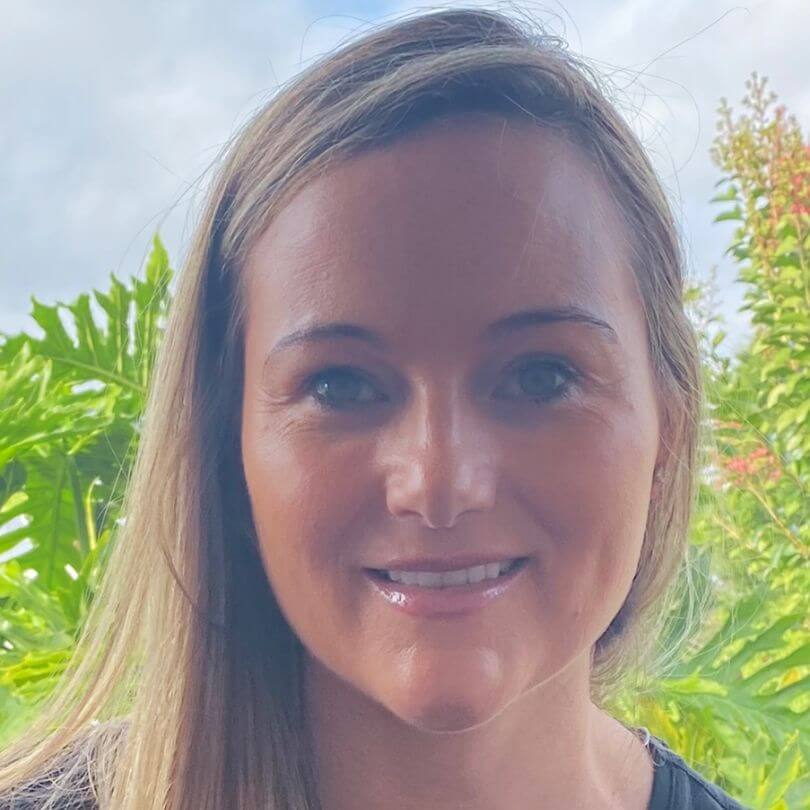
Jessica Rice
Jessica holds an MA degree in Neuropsychology (WITS University), with training in providing this highly specialised service for people experiencing neuropathology, including traumatic brain injuries, stroke, tumours, dementia, and other neurological and medical diseases/deficits.
Click here to read more.